
Today, we left the surprisingly lovely Hinds Head hotel at 8am and walked 31.4km to an aparthotel next to the surprisingly lovely Mr Lau’s Chinese restaurant in Warrington. The bit in between has been consistently wet with one exception. Given the absence of breakfast at the hotel, we decided to stop at Standish just down the road for a bacon sandwich. As we logically confirmed yesterday that we don’t look like psychotic murderers, we probably just looked like lost tourists when Johnny took pity on us and showed us the Secret Garden cafe. This is no longer a secret, it’s in Standish, Lancashire, it’s great, all the locals know about it. Plus: friendly locals. Double win.
The rest of the day has been moderately-to-completely uninspiring, depending on how you feel about seeing a pair of gloves simultaneously, but in the same day as five different flavours of a drink that still looks like it should be labelled with a health and safety warning not a list of ingredients.
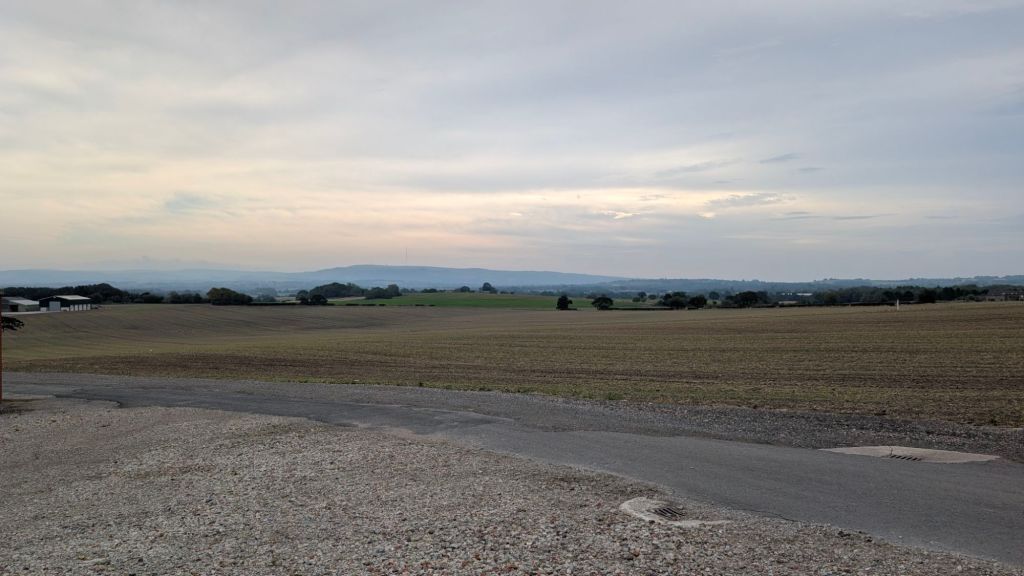
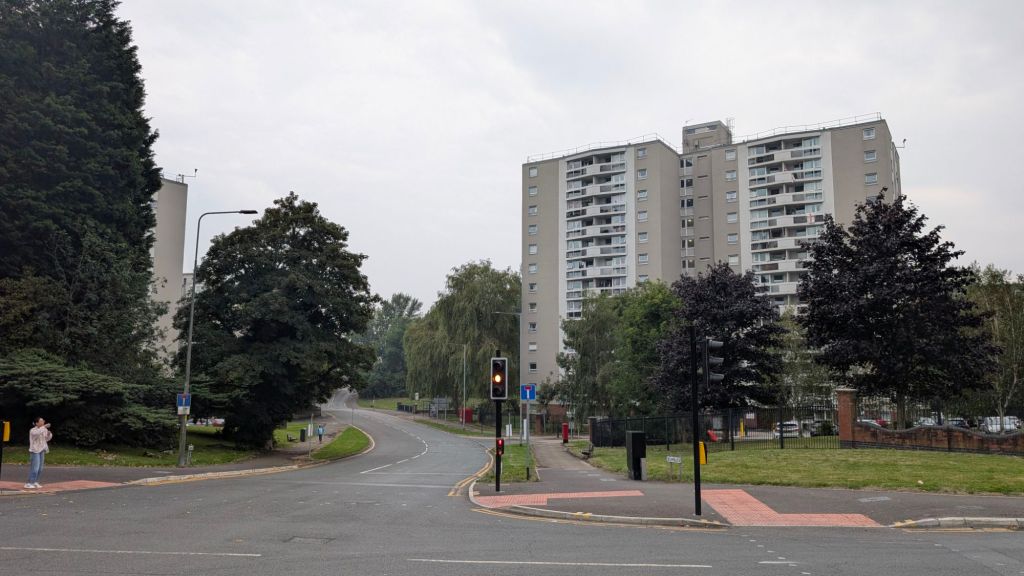
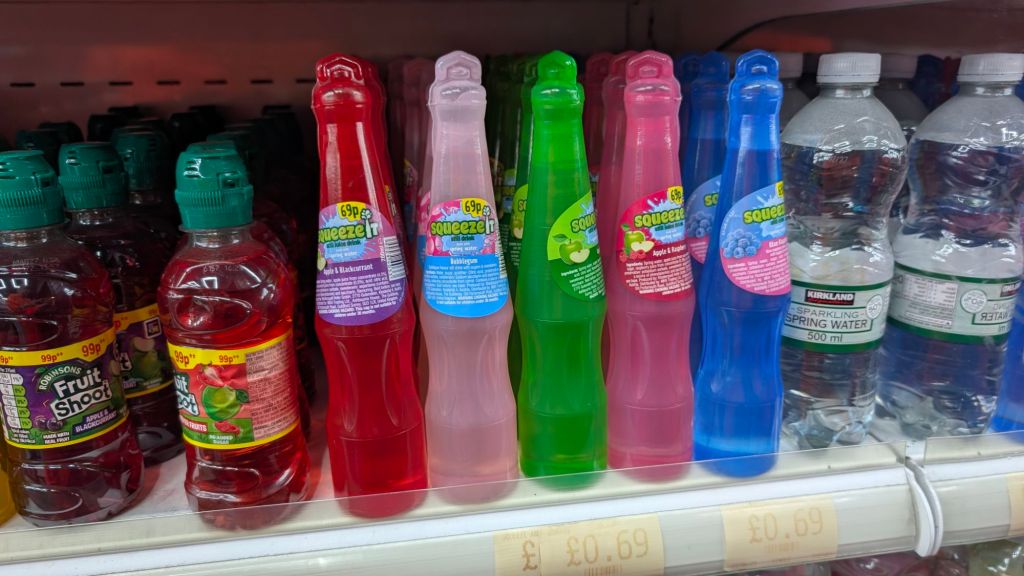
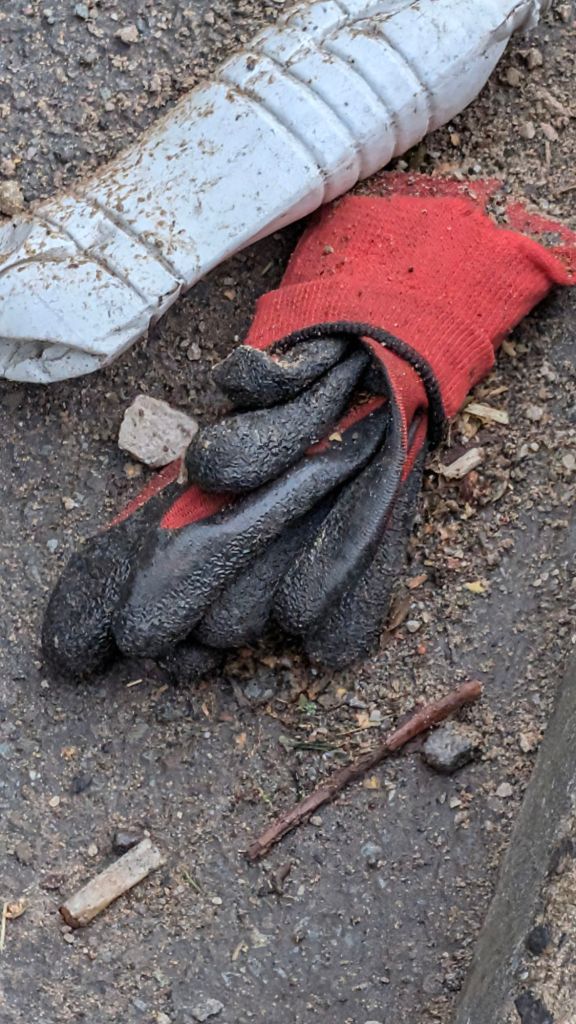
So to pass the day, wandering past numerous depressing barber-snacks-snacks-betting-shop combinations, we decided to crunch the numbers. Mark had found a statistic that £1 billion of revenue is laundered through barbers, small high street shops and candy stores, each year, in the UK. In Standish, a place with not only one lovely cafe and 14,000 residents, there are four barbers that we saw, all within about 10 metres of each other.
Let’s assume the 7,000 men in Standish all need their hair cutting, by a professional barber, from birth to death (to make the maths easy, but hold that thought). That would mean 20 men/boys a day, need to visit a barber shop in town, if they only had their hair cut once a year.
Assuming that they need their hair cutting 6 times a year to keep that sharp short haired look and each barber shop can cut 6 people’s hair, we’re still back needing 20 barbers, so maybe the number we’ve seen is not ridiculous. However, each barber does not have only one chair, they have at least 3, meaning that the 7 barbers Standish actually has is closer to the number they need, if, they can only cut 6 people’s hair per day per chair and every single male resident has his hair cut professionally 6 times a year. As soon as any of those assumptions fails, e.g. every barber’s chair could be used for at least 12 people per day assuming 30 mins per hair cut; you’ve got a lot of barbers in Standish twiddling their thumbs not their customers’ handlebar moustaches.
Mark didn’t stop there with the maths though, he then asked AI to provide the correlation between the number of barber shops and the crime rate, per head of population, for all the places it has data. It turns out the correlation is 0.76, with a p value of 0.01.
AI came to the conclusion that the longer someone’s hair is somewhere, the more crime that place has. We didn’t have the energy to point out to a piece of software, that there are two flaws with that argument:
1. that if you have a lot of barbers, by definition, a lot of hair is ending up on the floor, not on someone’s head, so there would be more people with shorter hair, not longer
2. correlation does not mean causation as it’s quite tricky for hair in itself to launder money or commit any crime to be honest. I also haven’t found that correlation in Tyler Vigen’s excellent spurious correlation database.
Mark’s hypothesis about the number of personalised registration plates in a town and its crime rate does not hold up to the same scrutiny, at least the positive correlation doesn’t reach statistical significance, but we were able to identify a few confounding factors. One for another day.
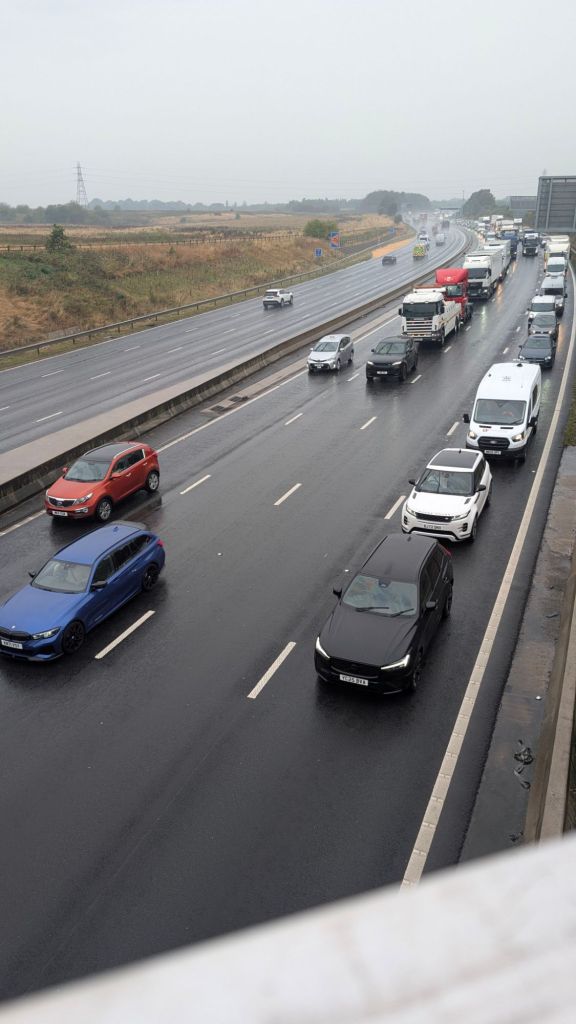
Rerouting our next two days to avoid dodging cars has no doubt given us extra time to find equally inspiring topics to muse on.
Distance 31km in what is supposed to be a week with a lower average daily mileage. We’ll see how that works out as a hypothesis too.


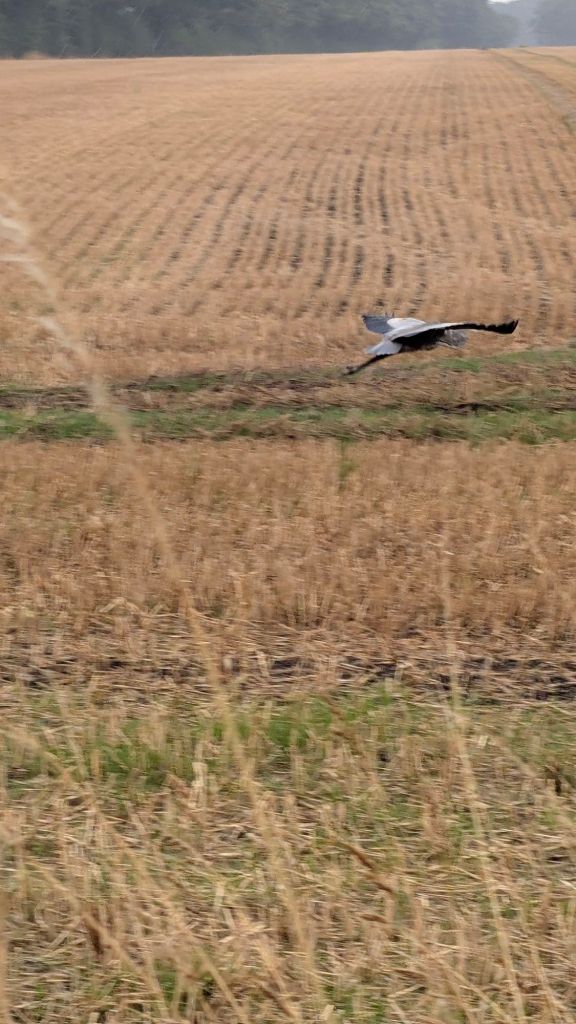
You must have been really bored! I’m so impressed. Oh, and the cormorant is a grey heron.
LikeLike
Yep, confirmed as a grey heron by Google lens on my latest photo of one too. None of it feels boring, just wishing for more interesting scenery
LikeLike